
Educational Resources
Discover the answers to some of our most commonly asked questions.
Understanding Medicare Basics
Original Medicare
Original Medicare includes Part A and Part B coverage provided through the federal government.
Part A
Helps cover hospital stays, skilled nursing facilities, hospice care, and some home health services.
Part B
Helps cover doctor visits, outpatient care, preventive services, lab work, and medically necessary services.
Part C (Medicare Advantage)
Private plans approved by Medicare that often combine medical and prescription coverage and may include dental, vision, hearing, transportation, OTC, and grocery benefits.
Part D
Helps cover prescription medications. Drug costs and formularies can vary between plans.
Medicare Supplement Plans
Help cover some out-of-pocket costs associated with Original Medicare.
Annual Reviews Matter
Medicare plans can change yearly. Reviewing coverage annually helps ensure your benefits still meet your needs.
Need Help Understanding Your Options?
Strategic Measures Medicare Division provides educational Medicare guidance for seniors, caregivers, and individuals reviewing Medicare coverage options.
Medicare Advantage vs. Medicare Supplement: What's the Difference?
Understanding the differences between Medicare Advantage and Medicare Supplement plans may help individuals better evaluate healthcare costs, provider access, and overall coverage needs.
| Feature | Medicare Advantage | Medicare Supplement |
|---|---|---|
| Provider Access | Usually network-based | Generally broader provider access |
| Prescription Coverage | Often included | Usually requires a separate Part D plan |
| Extra Benefits | May include dental, vision, OTC | Typically limited extra benefits |
| Monthly Premiums | Often lower | Usually higher |
| Out-of-pocket Protection | MOOP protection included | Different cost structure |
Who May Prefer Medicare Advantage?
Individuals looking for lower monthly premiums and potential extra benefits such as dental, vision, OTC, transportation, or fitness benefits may prefer Medicare Advantage plans.
Who May Prefer Medicare Supplement Plans?
Individuals who value broader provider flexibility and more predictable medical costs may prefer Medicare Supplement coverage.
Why Comparing Plans Matters
Healthcare needs, prescriptions, doctors, travel habits, and budget should all be reviewed carefully before selecting coverage.
Helpful Reminder:
The lowest premium does not always mean the lowest overall healthcare cost. Reviewing provider access, prescriptions, benefits, and potential out-of-pocket exposure together is important when comparing plans.
Common Medicare Mistakes
Understanding common Medicare mistakes can help seniors and caregivers avoid unnecessary costs, coverage gaps, and frustration.
Not Reviewing Plans Annually
Medicare plans, provider networks, drug formularies, and benefits can change each year.
Assuming All Doctors Accept Every Plan
Always verify doctors, specialists, and hospitals participate in your specific plan network.
Ignoring Prescription Drug Coverage
Medication costs and pharmacy networks can vary greatly between plans.
Missing Enrollment Periods
Delaying enrollment or missing deadlines can result in penalties or delayed coverage.
Overlooking Extra Benefits
Some plans may include dental, vision, hearing, transportation, OTC, fitness, or grocery benefits.
Confusing Medicare and Medicaid
Individuals with both Medicare and Medicaid/Medi-Cal may qualify for additional support and benefits through D-SNP plans.
Choosing a Plan Based Only on Premium
The lowest premium does not always mean the lowest overall healthcare costs.
Educational Medicare Guidance Matters
Reviewing Medicare coverage annually can help ensure your plan continues to fit your doctors, prescriptions, healthcare needs, and budget.
Understanding Medicare Enrollment Periods
Medicare enrollment periods can be confusing. Understanding when you can enroll or make changes may help you avoid delays, penalties, or gaps in coverage.
Initial Enrollment Period (IEP)
Generally begins 3 months before your 65th birthday month, includes your birthday month, and continues 3 months after.
Annual Enrollment Period (AEP)
Runs from October 15 through December 7 each year. Individuals may review and change Medicare Advantage or prescription drug plans during this time.
Open Enrollment Period (OEP)
Runs from January 1 through March 31 for individuals already enrolled in a Medicare Advantage plan. Certain plan changes may be available.
Special Enrollment Periods (SEP) Special circumstances such as moving, losing coverage, qualifying for Medicaid/Medi-Cal, or other life events may create additional enrollment opportunities.
Late Enrollment Penalties
Delaying certain Medicare enrollments without qualifying coverage may result in long-term penalties or delayed coverage.
| Enrollment Period | Typical Timeframe |
|---|---|
| Initial Enrollment Period | 3 months before to 3 months after turning 65 |
| Annual Enrollment Period | October 15 – December 7 |
| Open Enrollment Period | January 1 – March 31 |
| Special Enrollment Period | Varies based on qualifying event |
Need Help Understanding Medicare Timelines?
Strategic Measures Medicare Division provides educational Medicare guidance for seniors, caregivers, and individuals reviewing Medicare enrollment options.
Turning 65? Medicare Checklist
A simple checklist to help individuals approaching age 65 better prepare for Medicare enrollment and avoid common mistakes.
Know Your Enrollment Window
Your Initial Enrollment Period generally begins 3 months before your 65th birthday month and ends 3 months after.
Review Employer Coverage
If you or your spouse are still working, compare your current coverage before enrolling in Medicare Part B.
Understand Medicare Parts
Learn the differences between Part A, Part B, Part C, Part D, and Medicare Supplement plans.
Check Your Doctors & Prescriptions
Verify your doctors, specialists, hospitals, pharmacies, and medications work with your plan options.
Watch for Penalties
Delaying certain Medicare enrollments without qualifying coverage may result in late enrollment penalties.
Review Extra Benefits
Some Medicare plans may include dental, vision, hearing, transportation, OTC, fitness, or grocery benefits.
Schedule a Medicare Review
Reviewing your healthcare needs and budget before enrolling can help avoid costly mistakes.
Helpful Tip:
Everyone’s Medicare situation is different. Employer coverage, retirement timing, prescriptions, doctors, and budget all play an important role when reviewing Medicare options.
What Should You Look For in a Medicare Agent?
Choosing the right Medicare agent can make a significant difference in understanding your options, avoiding confusion, and
receiving ongoing support after enrollment.
Educational Approach
A good Medicare agent should focus on education and helping you understand your options — not pressure or confusion.
Annual Reviews
Medicare plans, provider networks, prescriptions, and benefits can change yearly. Ongoing reviews are important.
Accessibility and Support
Your agent should be available to answer questions and help resolve issues after enrollment — not disappear once a plan is
selected.
Knowledge of Medicare Programs
A knowledgeable agent should understand Medicare Advantage, Prescription Drug Plans, Medicare Supplements, D-SNPs,
C-SNPs, and enrollment periods.
Provider and Prescription Reviews
Doctors, specialists, hospitals, pharmacies, and medications should all be reviewed carefully before selecting a plan.
Clear Communication
A trustworthy Medicare resource should explain benefits, costs, provider networks, and limitations clearly and honestly.
No Separate Agent Fee
Medicare beneficiaries do not pay a separate fee for working with a licensed Medicare agent for plan guidance or enrollment
assistance.
Local Community Presence
Many individuals value working with a local Medicare resource who understands the healthcare landscape and community needs.
Helpful Reminder:
The best Medicare guidance is not just about enrolling in a plan — it is about ongoing support, education, and helping individuals better understand and utilize their healthcare coverage over time.
Questions to Ask Before to Choosing a Medicare Plan
Choosing a Medicare plan can feel overwhelming. Asking the right questions may help individuals better understand their options and avoid costly mistakes.
Are My Doctors In-Network?
Always verify your doctors, specialists, hospitals, and preferred providers participate in the plan network.
Are My Prescriptions Covered?
Prescription formularies and pharmacy networks can vary greatly between plans.
What Are My Out-of-Pocket Costs?
Review deductibles, copays, coinsurance, and the plan’s maximum out-of-pocket (MOOP) limit.
What Extra Benefits Are Included?
Some plans may include dental, vision, hearing, transportation, OTC, grocery, or fitness benefits.
Can I Keep My Preferred Pharmacy?
Using preferred pharmacies may help reduce medication costs.
Do I Travel Frequently?
Travel habits may impact provider access and coverage depending on the plan.
Does the Plan Fit My Healthcare Needs?
Healthcare needs, chronic conditions, medications, and budget should all be considered when reviewing Medicare options.
Helpful Tip:
The lowest premium does not always mean the lowest overall healthcare cost. Reviewing doctors, prescriptions, and benefits together is important when comparing plans.
What Happens After You Enroll?
Understanding the next steps after enrolling in a Medicare plan can help you avoid confusion and better utilize your benefits.
Watch for Your Welcome Packet
Most plans mail a welcome packet and member ID card shortly after enrollment is approved.
Keep Your Medicare Card
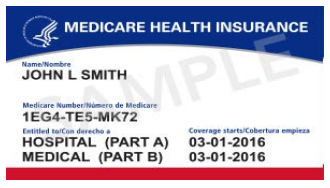
Continue to keep your red, white, and blue Medicare card in a safe place.
Confirm Your Doctors
Verify your doctors and specialists participate in your plan network.
Review Prescriptions
Check your pharmacy, medications, and costs once your plan becomes active.
Activate Benefits
Some OTC, dental, transportation, and grocery benefits may require activation.
Why Annual Medicare Reviews Matter
Many people assume their Medicare plan will remain the same year after year. However, provider networks, prescriptions, copays, and benefits can all change over time.
Plans Can Change Yearly
Copays, deductibles, provider networks, prescription formularies, and extra benefits may change from year to year.
Healthcare Needs Can Change
Doctors, medications, diagnoses, and healthcare usage often evolve over time.
Prescription Costs Matter
Annual reviews can help identify changes in medication pricing, pharmacy networks, and formularies.
Extra Benefits May Change
OTC allowances, dental, transportation, vision, hearing, and grocery benefits may vary yearly.
Provider Networks Change
Doctors, specialists, hospitals, and pharmacies may leave or join plan networks.
Helpful Reminder:
Annual Medicare reviews help ensure your coverage continues to fit your healthcare needs, prescriptions, providers, and budget. Even small yearly plan changes can create significant cost differences.
Understanding Prescription Drug Coverage
Prescription drug coverage can vary greatly between Medicare plans. Understanding formularies, pharmacy networks, medication tiers, and annual plan changes may help reduce unexpected costs.
What Is Medicare Part D?
Medicare Part D helps cover prescription medications through approved private insurance plans.
What Is a Formulary?
A formulary is a list of covered medications. Formularies can vary greatly between plans.
Why Pharmacies Matter
Preferred pharmacies may offer lower medication costs compared to standard pharmacies.
Understanding Medication Tiers
Plans often place medications into pricing tiers that impact copays and coinsurance.
Why Annual Reviews Matter
Prescription coverage, formularies, and pharmacy networks can change yearly.
Helpful Reminder:
The lowest premium does not always mean the lowest overall healthcare cost. Reviewing provider access, prescriptions, benefits, and potential out-of-pocket exposure together is important when comparing plans.
Understanding Maximum Out-of-Pocket (MOOP)
Maximum Out-of-Pocket (MOOP) is one of the most important — and most overlooked — parts of understanding Medicare Advantage plans.
What Is MOOP?
MOOP stands for Maximum Out-of-Pocket. It is the yearly limit on certain healthcare costs you may pay for covered medical services under a Medicare Advantage plan.
Why MOOP Matters
Once you reach your plan’s MOOP limit for covered services, the plan generally pays 100% of covered in-network medical costs for the remainder of the year.
What Costs Typically Count Toward MOOP?
Copays, coinsurance, and certain medical expenses for covered services generally count toward the MOOP limit.
What Usually Does NOT Count?
Monthly premiums, prescription drug costs under Part D, and non-covered services may not count toward the MOOP limit.
Why Comparing MOOP Is Important
Two plans may have similar premiums but very different out-of-pocket exposure. Reviewing MOOP alongside copays, networks, and benefits is important when comparing plans.
Annual Reviews Matter
MOOP limits and plan costs can change each year. Reviewing your coverage annually helps ensure your healthcare costs remain manageable.
| Example | Lower MOOP Plan | Higher MOOP Plan |
|---|---|---|
| Monthly Premium | $0 | $0 |
| MOOP Limit | $3500 | $9350 |
| Potential Risk Exposure | Lower | Higher |
Helpful Reminder:
The lowest premium does not always mean the lowest overall financial exposure. Understanding MOOP can help individuals better evaluate healthcare risk and overall plan value.
Understanding Extra Medicare Benefits
Some Medicare Advantage plans may include additional benefits beyond Original Medicare. Understanding these benefits can help individuals better utilize their healthcare coverage.
Dental Benefits
Some plans may include preventive dental services, cleanings, X-rays, dentures, or other dental support.
Vision Benefits
Vision benefits may help cover routine eye exams, glasses, or contact lenses.
Hearing Benefits Certain plans may provide hearing exams or hearing aid assistance.
OTC (Over-the-Counter) Benefits
Some plans provide allowances that may be used for approved health-related items such as vitamins, pain relievers, first aid supplies, and more.
Transportation Assistance
Transportation benefits may help eligible individuals get to medical appointments or pharmacies.
Fitness Benefits Some plans include gym memberships or wellness programs designed to support healthy lifestyles.
Grocery or Food Benefits
Certain plans may offer food or grocery-related support for qualifying individuals.
Important Reminder:
Benefits, eligibility requirements, provider networks, and allowances can vary greatly between plans and service areas.
Caregiver's Guide to Medicare
Caregivers often play an important role in helping loved ones understand Medicare coverage, organize healthcare information, and navigate plan options.
Keep Important Documents Organized
Maintain copies of Medicare cards, insurance cards, medication lists, doctor information, and healthcare contacts in one location.
Understand the Different Parts of Medicare
Learning the differences between Part A, Part B, Part C, Part D, and Medicare Supplement plans can help caregivers better assist loved ones.
Review Prescriptions and Pharmacies
Medication formularies and pharmacy networks can change yearly. Reviewing prescription coverage annually is important.
Verify Doctors and Specialists
Always confirm doctors, specialists, hospitals, and providers participate in the current plan network.
Watch for Additional Benefits
Some plans may include dental, vision, hearing, OTC, transportation, fitness, or grocery benefits that caregivers may help coordinate.
Protect Against Medicare Scams
Be cautious of unsolicited calls requesting Medicare numbers, banking information, or personal details.
Schedule Annual Medicare Reviews
Healthcare needs, medications, providers, and benefits can change over time. Annual reviews help ensure coverage continues to meet individual needs.
Helpful Reminder:
Caregivers often become the primary point of communication for healthcare coordination. Keeping organized records and reviewing benefits annually can help reduce confusion and unexpected healthcare costs.
Avoiding Medicare Scams
Unfortunately, Medicare scams and misleading marketing are common. Understanding warning signs can help seniors and caregivers better protect personal information and healthcare benefits.
Be Cautious of Unsolicited Calls
Be careful of callers asking for your Medicare number, banking information, or Social Security number.
Protect Your Medicare Number
Your Medicare number should be treated like a credit card number. Only share it with trusted healthcare providers or authorized representatives.
Watch for Misleading Advertising
Not all advertisements explain limitations, eligibility requirements, or network restrictions clearly.
Avoid Pressure Tactics
Be cautious of anyone pressuring you to enroll immediately or claiming benefits are ‘free’ without explaining details.
Review Mail Carefully
Some mailers may appear official but are actually advertisements or marketing materials.
Verify Benefits and Eligibility
Benefits, allowances, and plan availability can vary by location and eligibility.
Ask Questions
A trusted Medicare resource should be willing to explain benefits, provider networks, costs, and limitations clearly.
Important Reminder:
Medicare will generally not call unexpectedly asking for personal information, banking details, or payment over the phone.
Medicare vs. Medicaid Explained
Many people confuse Medicare and Medicaid. Understanding the difference can help individuals better understand their healthcare coverage and potential eligibility for additional benefits.
What Is Medicare?
Medicare is a federal health insurance program generally available to individuals age 65 and older, as well as certain younger individuals with qualifying disabilities or conditions.
What Is Medicaid? Medicaid is a state and federally funded assistance program that helps eligible individuals with healthcare costs based on income and other qualifying factors. Medicaid is called Medi-Cal in California.
Can You Have Both?
Yes. Some individuals qualify for both Medicare and Medicaid/Medi-Cal. These individuals may qualify for Dual Special Needs Plans (D-SNPs) and additional support programs.
Potential Additional Benefits
Individuals with both Medicare and Medicaid may have access to additional benefits such as grocery assistance, OTC benefits, transportation, dental, vision, hearing, and care coordination support.
Why This Matters
Many individuals are unaware they may qualify for additional programs or benefits that could help reduce healthcare costs and improve access to care.
| Medicare | Medicaid / Medi-Cal |
|---|---|
| Federal health insurance | Income-based assistance program |
| Generally age 65+ | Based on financial eligibility |
| May include Part A, B, C, D | May help cover healthcare costs |
| Can be combined with Medicaid | Can work alongside Medicare |
Do I Qualify for a D-SNP Plan?
Dual Special Needs Plans (D-SNPs) are Medicare Advantage plans designed for individuals who qualify for both Medicare and Medicaid (Medi-Cal in California). These plans may provide additional support, coordination, and valuable extra benefits.
Who May Qualify?
You may qualify for a D-SNP plan if you have Medicare and also receive Medicaid or Medi-Cal assistance.
Potential Extra Benefits
Depending on the plan and eligibility, benefits may include grocery assistance, OTC benefits, dental coverage, vision coverage, hearing benefits, transportation assistance, and care coordination support.
Why D-SNP Plans Matter
Many individuals who qualify for both Medicare and Medicaid are unaware they may have access to additional benefits designed to help reduce healthcare costs and improve access to care.
Annual Reviews Are Important
Benefits, provider networks, prescription formularies, and Medicaid eligibility can change. Annual Medicare reviews help ensure your coverage continues to meet your needs.
Examples of Benefits May Include:
• Grocery Benefits
• Over-the-Counter (OTC) Allowances
• Transportation Assistance
• Dental Coverage
• Vision Coverage
• Hearing Benefits
• Care Coordination Services
Understanding C-SNP Plans
Chronic Condition Special Needs Plans (C-SNPs) are Medicare Advantage plans designed for individuals living with certain qualifying chronic health conditions. These plans are intended to provide more focused care coordination and support.
Who May Qualify?
Individuals diagnosed with certain chronic health conditions may qualify for a C-SNP plan if an eligible plan is available in their area.
Potential Advantages
C-SNP plans are designed to help improve care coordination, provide condition-focused support, and help individuals better manage ongoing healthcare needs.
Why Specialized Plans Matter Certain chronic conditions may require more coordinated care, prescription management, specialist access, and ongoing monitoring. C-SNP plans are designed with these healthcare needs in mind.
Annual Reviews Are Important
Provider networks, prescriptions, benefits, and plan availability can change each year. Reviewing coverage annually helps ensure your plan continues to fit your healthcare needs.
Common Qualifying Conditions May Include:
• Diabetes
• Chronic Heart Failure
• Cardiovascular Disorders
• COPD and Chronic Lung Disorders
• ESRD (End-Stage Renal Disease)
• Chronic Kidney Disease
• Certain Autoimmune Disorders